Remote work has made it easier to choose where you live. But the cheapest city with good Wi-Fi is not always the best choice.
Cost of living matters, but so do safety, transport, healthcare, time zones and everyday quality of life. These things become even more important when someone plans to stay for several months.
Lisbon and Chiang Mai are still popular choices. But remote workers are also looking at cities such as Seoul, Tokyo, Belgrade, Sofia, Cebu and Da Nang.
Here are 10 cities worth watching in 2026.
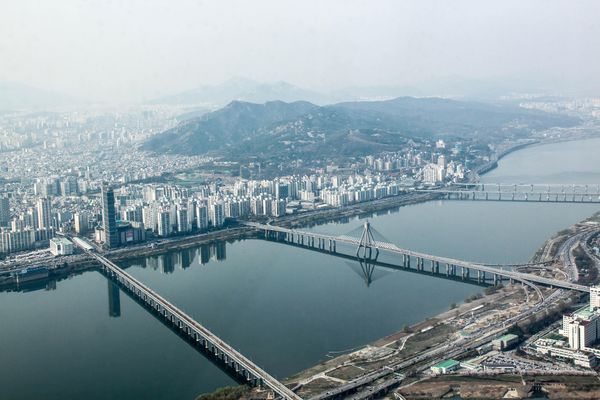
1. Seoul, South Korea
Seoul is attracting remote workers who want the energy of a major city without the daily office commute.
South Korea's capital has a strong technology sector, excellent public transport and a busy food and cultural scene. It is also home to many international companies and business events.
For professionals in tech, finance and other digital fields, Seoul offers plenty of opportunities to build professional connections.
2. Tokyo, Japan
For remote workers, Tokyo offers a very different experience from the usual nomad hubs.
The city is fast, safe and incredibly well connected. Its food, culture and neighbourhoods also give people plenty to do once the workday ends.
Living costs are high, but professionals who want access to business opportunities and life in one of the world's most exciting cities may find the price worth paying.
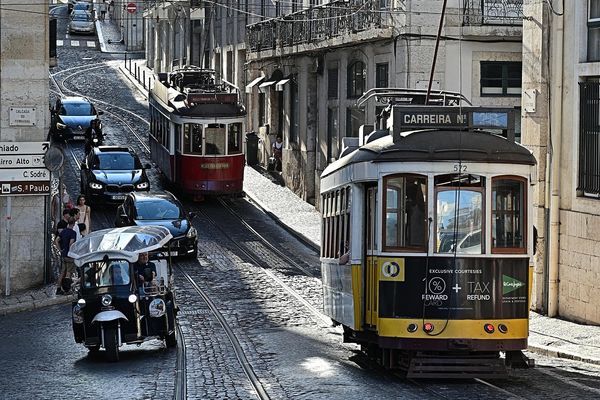
3. Lisbon, Portugal
Lisbon remains one of Europe's best-known destinations for remote workers.
The city has a well-established international scene and a strong ecosystem of freelancers, entrepreneurs and location-independent professionals.
Its appeal is also about lifestyle. The climate, food, walkable neighbourhoods and easy access to the rest of Europe have helped turn Lisbon into a long-term base for many international workers.
The downside is increasingly obvious: popularity has pushed housing costs up, making Lisbon less affordable than it once was.
That is one reason remote workers are looking at other European cities that offer some of the same advantages at a lower cost.
4. Medellín, Colombia
Medellín has become one of Latin America's most established remote-work destinations.
The city offers a mild climate, manageable living costs and a large international community. Its time zone is particularly convenient for professionals working with U.S. companies and clients.
That combination makes Medellín more than a lifestyle destination. It can function as a practical base while still offering a very different pace of life from a major U.S. city.
5. Chiang Mai, Thailand
Chiang Mai helped shape the modern digital-nomad scene, but its appeal today goes beyond its established nomad community.
Thailand's Destination Thailand Visa (DTV) has made longer stays more accessible to remote workers, freelancers and other location-independent professionals. The five-year, multiple-entry visa allows eligible visitors to stay for up to 180 days per entry.
Chiang Mai itself offers a slower pace of life, relatively low living costs, mountains close to the city and a strong food culture.
For people who want to spend several months abroad without the cost and intensity of Bangkok, that combination remains difficult to beat.
6. Da Nang, Vietnam
Da Nang is becoming one of Southeast Asia's more interesting alternatives to established digital-nomad hubs.
Its beaches and relatively affordable living costs are obvious attractions, but the city is also becoming more international. According to the Da Nang Tourism Promotion Center, the city welcomed nearly 9.8 million visitors in the first half of 2026, including almost 5.2 million international visitors — up 28.7% from the same period last year.
That growth is bringing a broader mix of international services, restaurants and communities, making the city easier for foreign professionals to navigate.
Da Nang does not have a dedicated long-term digital-nomad visa, but for remote professionals who can work under Vietnam's existing visa rules, it is becoming a serious option for a longer stay.

7. Cebu, Philippines
Cebu offers an interesting combination of city life, tropical surroundings and a growing professional scene.
English is widely used, while living costs remain accessible compared with many major international cities. The island also offers beaches and outdoor activities without requiring residents to give up urban conveniences.
Cebu is particularly interesting because of the Philippines' wider role in the remote workforce.
Online.jobs data show 11,457 applications from candidates in the Philippines for remote positions with U.S. companies, the highest number among international candidate sources in the dataset. Candidates from South Africa submitted 1,033 applications, followed by India with 1,019 and Pakistan with 1,003.
That makes Cebu relevant not only as a destination for foreign remote workers, but also as part of the wider global market supplying remote talent.
8. Cape Town, South Africa
Cape Town has a combination that few cities can match: a major urban centre surrounded by mountains, beaches and some of South Africa's most spectacular scenery.
For remote professionals, that creates a lifestyle where work and outdoor life can coexist without leaving the city.
Cape Town is also connected to a growing international remote workforce. Online.jobs data recorded 1,033 applications from candidates in South Africa for U.S. remote opportunities.
The city therefore sits on both sides of the remote-work equation — as a place where international professionals can live and as part of a country supplying talent to overseas employers.
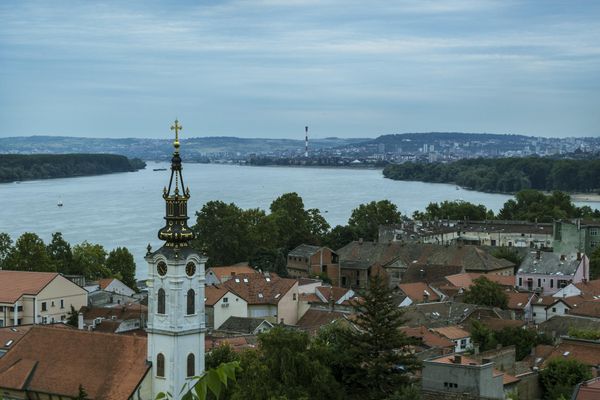
9. Belgrade, Serbia
Belgrade is not yet competing with Lisbon or Chiang Mai for the title of Europe's biggest digital-nomad destination. That may actually be part of its appeal.
Serbia's capital combines manageable living costs with a lively café and restaurant scene, a growing technology sector and easy access to the rest of Europe.
Official figures also show a highly connected business environment. According to Serbia's Statistical Office, all businesses surveyed had an internet connection in 2025, while 84.6% had a website.
For someone who already has a remote job with an international employer, Belgrade offers something increasingly valuable: a European city where everyday costs can still be lower than in many established Western European destinations.
10. Sofia, Bulgaria
Sofia offers a similar European alternative, with the added advantage of being inside the EU.
The Bulgarian capital combines manageable living costs with a growing technology sector, established business infrastructure and easy access to nature through nearby Vitosha Mountain.
Its appeal is less about being a famous digital-nomad destination and more about practicality.
For people already working remotely for international companies, Sofia can provide a European base without sacrificing the advantages of living in a capital city.
What Are Remote Workers Looking For in 2026?
The digital-nomad lifestyle is changing. For many remote workers, constant travel is becoming less important than finding somewhere they can actually settle.
That puts more weight on cost of living, safety, healthcare, transport and quality of life. A destination that works for three weeks may not work for six months.
Community is another factor. People working remotely still need social connections, professional networks and a sense of belonging. That helps explain why established destinations remain popular even as new cities enter the conversation.
Career opportunities matter, too. Remote workers are increasingly looking beyond cheap accommodation and good weather. They want access to clients, events, collaborators and industries that can help them move their careers forward.
In other words, the question is changing from “Where can I work?” to “Where can I build a life and a career?”
Is the Remote-Work Map Changing?
Yes — but the old favourites are not disappearing.
Lisbon, Medellín and Chiang Mai still have strong communities and established advantages. At the same time, cities such as Seoul and Tokyo show that remote workers are not necessarily looking for an escape from major urban centres.
Da Nang and Cebu offer alternatives in Southeast Asia, while Cape Town combines international connections with an exceptional lifestyle. Belgrade and Sofia show that less obvious European cities can compete by offering affordability and access to urban infrastructure.
The bigger change is that there is no longer one definition of a good remote-work destination.
Some workers want a global business centre. Others want a coastal city, a lower cost of living or a European base. And an increasing number simply want somewhere they can stay long enough to feel at home.
In 2026, the question for remote workers is no longer just where they can work from. It is where they want to live.