Finding a remote job can mean competing with candidates from different cities, countries, and professional backgrounds. That makes your resume more important than ever.
But a strong remote resume is not necessarily the one with the most impressive design or the longest list of skills. It is the one that makes your experience easy to understand, matches the requirements of the position, and gives both an applicant tracking system (ATS) and a recruiter the information they need.
The good news is that you do not need to create a completely new resume for every application. With the right structure, you can build a strong master resume and make a few targeted changes for each remote position.
Here is how to do it.
What Should a Remote Resume Include?
A remote resume should communicate the same core information as any effective resume: your experience, skills, education, and achievements.
However, remote employers may also want evidence that you can work effectively without being in the same physical office as your colleagues.
Depending on the position, this could include experience with:
- Distributed or international teams
- Asynchronous communication
- Project management software
- Video conferencing and collaboration tools
- Independent project management
- Working across different time zones
- Written communication
- Managing deadlines with limited supervision
You do not need to include every remote-work keyword simply because you are applying for a remote position. Focus on the skills and experiences that genuinely describe how you work.
For example, compare these two statements:
Worked with a remote team.
and:
Coordinated weekly content projects with a six-person distributed team across three time zones using Slack, Asana, and Google Workspace.
The second example gives an employer much more information about your remote work experience.
Start With the Job Description
One of the biggest mistakes job seekers make is sending exactly the same resume to every employer.
Instead, use the job description as a guide for deciding which parts of your professional experience deserve the most attention.
Look for:
- The exact job title
- Required skills
- Preferred qualifications
- Software and platforms
- Certifications
- Industry terminology
- Specific responsibilities
- Years of experience
- Repeated words and phrases
Relevant keywords can relate to your skills, qualifications, experience, education, and industry knowledge. Using terminology that accurately reflects the job description can also make it easier for recruiters and ATS software to identify relevant qualifications.
For example, imagine a company is hiring a remote content marketer and the job description repeatedly mentions SEO, content strategy, Google Analytics, keyword research, content management systems, and email marketing.
If you have experience with those areas, make sure your resume uses the same terminology where appropriate.
That is more effective than filling your resume with generic phrases such as "hard worker," "team player," or "excellent communicator."
Understanding how remote work is changing can also help you identify the skills and experience employers are increasingly looking for in remote candidates.

How to Find the Right ATS Keywords
Applicant tracking systems, or ATS software, help employers organize and manage large numbers of applications. Depending on the system and employer, resumes may be screened for relevant skills, job titles, qualifications, and other information.
This is why ATS resume keywords can matter during a remote job search.
Start by creating a simple list from the job description.
1. Identify Technical Skills
Technical skills are often among the easiest keywords to find.
For example:
- Python
- Salesforce
- SEO
- Google Analytics
- HubSpot
- JavaScript
- Project management
- Data analysis
2. Look for Role-Specific Terms
A customer support position might mention:
- Customer success
- CRM
- Ticket management
- Customer retention
- Technical support
A project management position might mention:
- Agile
- Scrum
- Stakeholder management
- Project planning
- Jira
3. Check Qualifications
Pay attention to:
- Degrees
- Certifications
- Licenses
- Years of experience
- Language requirements
4. Match the Employer's Wording When Appropriate
If a job description says "content strategy" and you have genuinely worked in content strategy, use that term rather than replacing it with something vague such as "content work."
Use keywords naturally throughout your resume summary, work experience, and skills section.
The important word is naturally.
Do not add keywords simply to make your resume appear more relevant. If you do not have the required skill or experience, do not claim that you do.
Don't Try to Trick the ATS
There are plenty of online suggestions that job seekers can hide keywords in white text, repeat keywords dozens of times, or use unusual formatting to manipulate an ATS.
Do not do this.
CareerOneStop, a U.S. Department of Labor-sponsored career resource, recommends keeping resumes simple and avoiding formatting that can interfere with ATS parsing.
Your goal should be to make your real qualifications easier to identify, not to manipulate the system.
Use an ATS-Friendly Resume Format
A complicated design might look attractive on screen but create problems when the document is processed by an ATS.
For most remote jobs, a clean, single-column resume format is a safer choice.
CareerOneStop recommends:
- Standard section headings
- A clean, consistent layout
- A single-column structure
- Readable fonts
- Consistent spacing
- Bullet points for important information
- Clear employment dates
It also advises avoiding tables, text boxes, logos, columns, images, and graphics because some ATS systems may have difficulty correctly reading information contained in these elements.
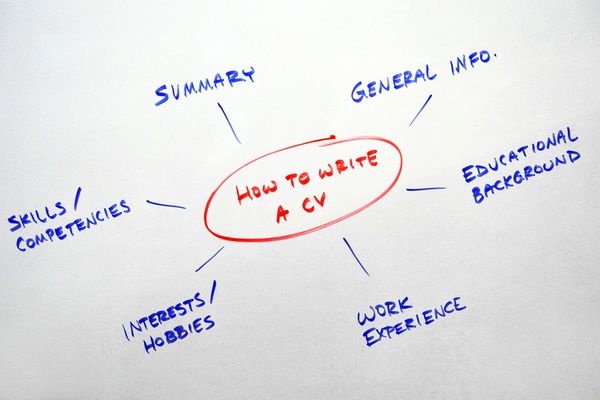
A practical structure is:
Name and contact information
Professional Summary
Work Experience
Skills
Education
Certifications
Projects — if relevant
You do not need every section. Include the sections that strengthen your application.
Keep Important Information Out of Headers and Footers
This is an easy detail to overlook.
Some ATS software may not correctly read information placed in headers or footers. Keep essential resume information in the main body of the document.
Your name, email address, phone number, location, and other important details should be easy to find.
Choose a Readable Font
Your resume does not need a highly stylized font.
CareerOneStop recommends standard professional fonts such as:
- Arial
- Calibri
- Georgia
- Garamond
- Times New Roman
A font size of around 10–12 points is generally appropriate for the main text.
Consistency matters more than design. Use the same font throughout your resume and apply formatting consistently to headings, job titles, and other important information.
Write a Professional Summary That Adds Value
Your professional summary is one of the first sections a recruiter is likely to see.
Avoid generic statements such as:
Hard-working professional seeking a challenging opportunity where I can use my skills.
Instead, describe your profession, experience, relevant skills, and the value you can bring to the employer.
For example:
Digital marketing specialist with five years of experience in SEO, content strategy, and analytics. Experienced in managing campaigns for distributed teams and using Google Analytics, HubSpot, and project management tools to deliver measurable results.
This immediately tells the employer what you do and which skills you bring.
When tailoring your resume, you can also include the exact job title you are applying for if it accurately reflects your background.
Show How You Work Remotely
Simply writing "remote experience" does not tell an employer much.
Show what that experience involved.
Instead of:
Worked independently on multiple projects.
Try:
Managed six concurrent client projects independently, coordinating deadlines and deliverables with stakeholders across three time zones.
Or instead of:
Communicated with remote colleagues.
Try:
Collaborated asynchronously with designers, developers, and marketing specialists using Slack, Notion, and Jira.
These examples demonstrate the practical skills employers may be looking for in remote employees.
Focus on Achievements, Not Just Responsibilities
Your work experience should not simply look like a list copied from an old job description.
Whenever possible, explain what changed because of your work.
For example:
Responsibility:
Managed email marketing campaigns.
Achievement:
Managed email campaigns that increased monthly click-through rates by 27%.
Or:
Responsibility:
Provided customer support.
Achievement:
Resolved an average of 50 customer tickets per day while maintaining a 96% customer satisfaction score.
Useful resume metrics can include:
- Revenue
- Sales
- Conversion rates
- Traffic
- Customer satisfaction
- Retention
- Engagement
- Cost savings
- Time saved
- Number of customers
- Number of projects
- Team size
Do not invent numbers if you do not have reliable data. A specific description of your contribution is better than a made-up statistic.
Tailor Your Resume Instead of Rewriting It
You do not need six completely different resumes.
A better approach is to create one master resume containing your complete professional history. Then create a tailored version for each position.
For every application, concentrate on:
- Your professional summary
- The skills section
- The order of your bullet points
- Your most relevant achievements
- Job-specific keywords
- Relevant projects or certifications
For example, suppose you are a marketing professional applying for two different remote jobs.
One is a Content Marketing Manager position.
The other is an SEO Specialist position.
Your professional history may be the same, but the emphasis should be different.
For the content role, you might highlight:
Content strategy | Editorial planning | Content calendars | Copywriting | Audience growth
For the SEO role, you might prioritize:
Technical SEO | Keyword research | Organic traffic | Google Search Console | Analytics
The objective is not to change your history. It is to make the most relevant parts of your experience easier to find.
Mention Your Location and Time Zone When Relevant
Remote does not always mean work from anywhere.
A company may hire remotely but restrict employees to certain countries, states, regions, or time zones.
If a job posting specifies a location or working-hours requirement, make your availability clear when appropriate.
For example:
Based in Chicago, available for Central and Eastern Time collaboration.
Or:
Based in Europe, available for a minimum four-hour overlap with U.S. Eastern Time.
This can prevent unnecessary confusion during the hiring process.
Should You List Remote Work Tools?
Yes, if they are relevant to the position.
Common examples include:
- Slack
- Microsoft Teams
- Zoom
- Google Workspace
- Asana
- Trello
- Jira
- Notion
But do not create a huge software list simply because you have used each tool once.
Prioritize tools that:
- Appear in the job description
- Are important to the role
- You can confidently discuss in an interview
A recruiter is more interested in how you used a tool than in a random list of software names.
For example:
Managed a 12-week content calendar in Asana and coordinated approvals with a distributed marketing team.
is more informative than:
Asana, Slack, Zoom, Trello, Notion.
How Can AI Help With Your Resume?
AI tools can be useful during the resume-writing process, but they should support your work rather than invent it.
You can use AI to:
- Extract keywords from a job description
- Compare your resume with a specific vacancy
- Identify repetitive wording
- Suggest stronger action verbs
- Turn responsibilities into achievement-focused bullet points
- Check grammar
- Identify gaps between your experience and job requirements
AI can help you spot opportunities to improve your resume, but every suggestion should be reviewed before you use it.
Never allow an AI tool to add experience you do not have.
That includes:
- Skills you have never used
- Certifications you do not hold
- Employers you never worked for
- Projects you never completed
- Results you did not achieve
Your resume should be optimized, not fictionalized.
Check Your Resume Before You Apply
Once you have tailored your resume, it can be useful to run it through an ATS-focused resume checker.
For example, the Toptal Resume ATS Resume Score Checker allows you to upload your resume, enter a target job title, and receive feedback on areas such as keywords, formatting, job fit, and achievements.
This can help you spot issues you might otherwise miss, particularly when preparing your resume for a specific remote job.
However, do not treat an ATS score as a guarantee that your resume will pass an employer's screening system. Companies use different ATS platforms, configurations, and recruitment processes.
Think of an ATS resume checker as a final quality check, not a prediction of whether you will get an interview.
Remote Resume Checklist
Before clicking Apply, ask yourself:
- Does my resume clearly state what I do?
- Does my professional summary match the position?
- Have I included relevant keywords from the job description?
- Am I using those keywords truthfully?
- Are my strongest achievements easy to find?
- Have I included measurable results where possible?
- Have I demonstrated relevant remote work experience?
- Is the resume easy to read?
- Does it use a simple, ATS-friendly layout?
- Have I avoided unnecessary graphics, tables, and columns?
- Are my dates, job titles, and company names consistent?
- Is my contact information easy to find?
- Am I using the file format requested by the employer?
- Have I checked the document for spelling and grammar mistakes?
- Does the resume still sound natural to a human recruiter?
Once your resume is tailored to the skills and experience employers are looking for, Online.jobs can help you find remote positions that match your background and preferred way of working.
Sources
- Indeed – Get Your Resume Seen With ATS Keywords
- Indeed – How to Write an ATS-Friendly Resume
- Toptal Resume – ATS Resume Score Checker